
This tip looks at dilapidation reports and how, properly specified, can save you a lot of unnecessary work and save you big dramas at the end of the contract.
Dilapidation reports are an essential part of the Preliminaries of any Specification, and how well they are written will either cause you trouble or make life a breeze.
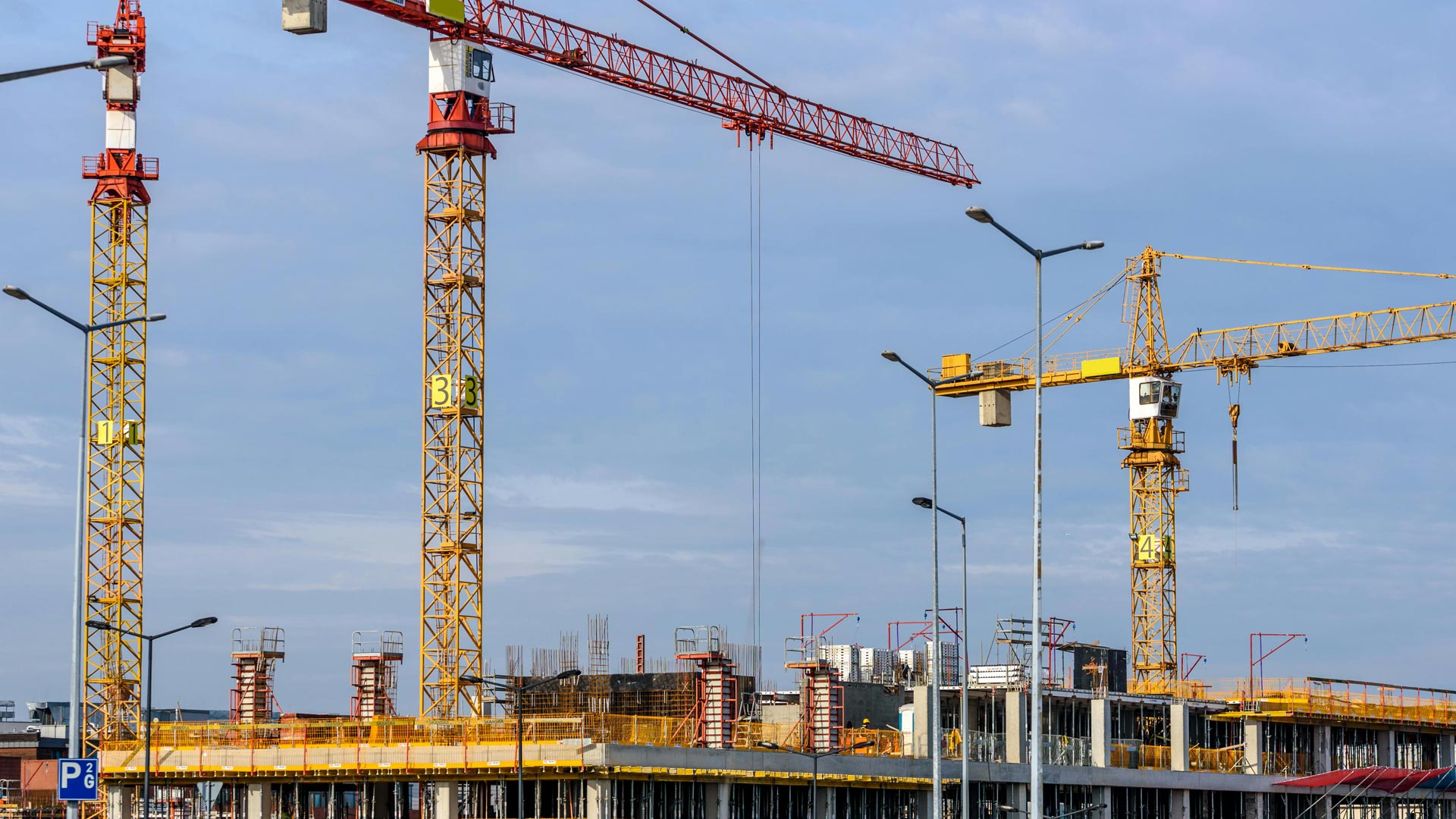
Their purpose is to record the physical state of the existing site and surroundings, before any work is started on site, so that anything damaged by building work is fixed by the builder. They must be submitted to the superintendent even before this work starts. They are one of the first things for the builder to do.
By far, the easiest way to specify them, is that it is up to the builder as to what the quality of the record is
to be, and anything that is damaged needs to be fixed by the builder if the record can’t show otherwise. That’s it…done!
Don’t fall into the trap of having to be on site when it is done, or worse still, having to drag the site owner (your client) and neighbouring owners there to accompany you accompanying the person doing the inspection.
Don’t review the report when it is submitted. Don’t get back to the builder with any comments. With the easy way described above, you don’t even need to look at the report.
The builder can choose not to do one, in which case they need to fix everything that is damaged, including things that were damaged before they got on site.
Your workday is hard enough without having to do anything other than just receive the dilapidation report…period and your Specification should cover you in this regard.