
This tip looks at the types of defaults a Specification should contain.
Specs are for the builder to follow throughout construction. They present a lot of common construction micro-detail that people don’t want to think about twice.
There are thousands of things to be done in construction, so the Specification must have a lot of detail to cover this to help produce a good construction outcome.
Specification defaults instruct the builder if the documents don’t give a direct solution. In simple terms, it is like saying “If ABC happens, immediately notify the designer (or superintendent) and allow XYZ” (allow needs to be defined generally as “organize and price to include”).
Here are 3 quick examples (they all should come with “immediately notify the designer/super” also):
1_If the site and the documents (including the site survey drawing) don’t match, allow the site.
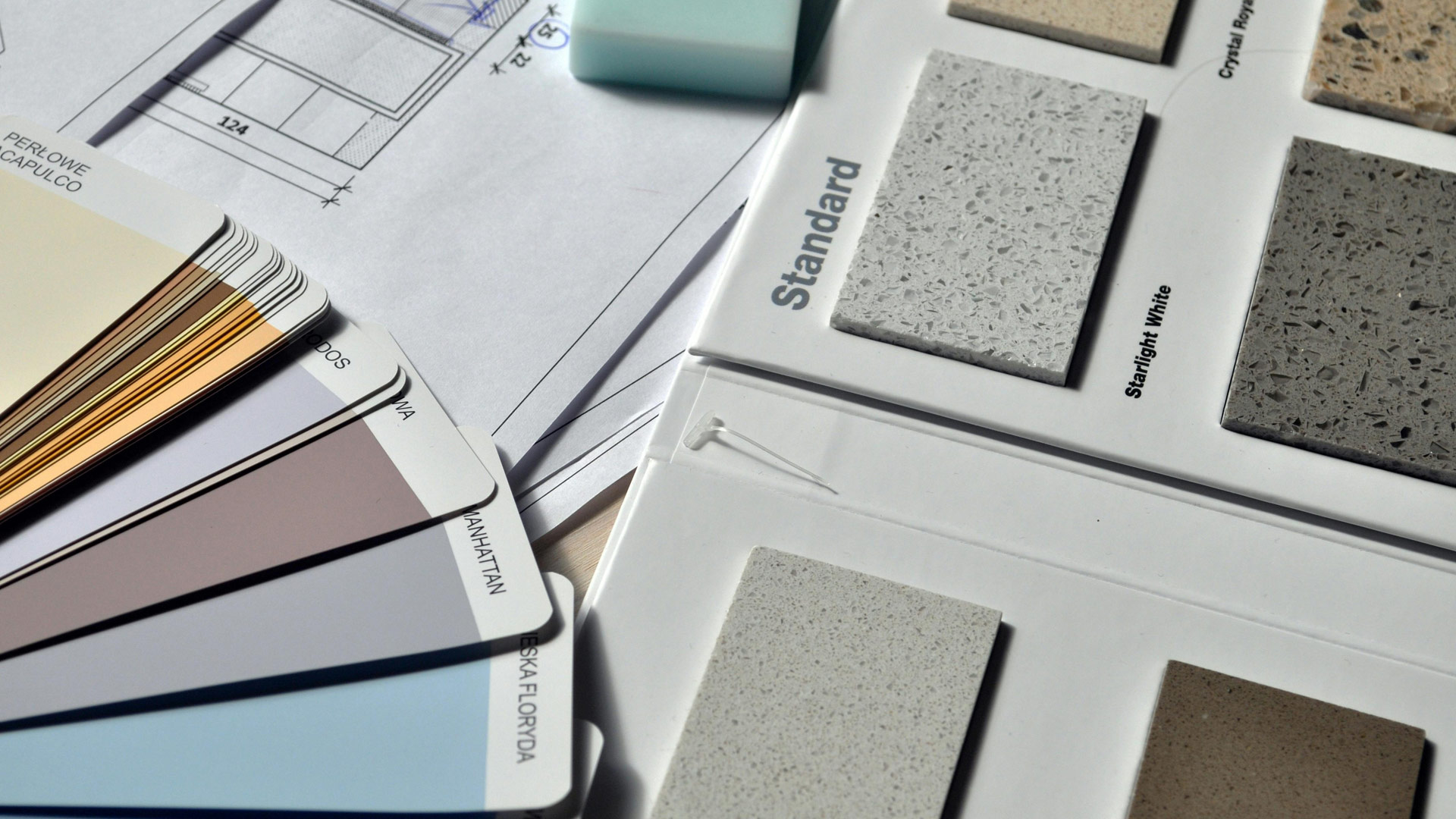
2_If a colour of a fixture is not documented, allow a colour from the standard manufacturers range
closest matching the surrounding colours.
3_If a documented size is not available, allow the next size up.
There are many more, including what to do on finding a discrepancy between the various documents and also what to allow if this happens between the Specification and other documents.
A good Specification should have all these little ‘dispute savers’ because they are invaluable.